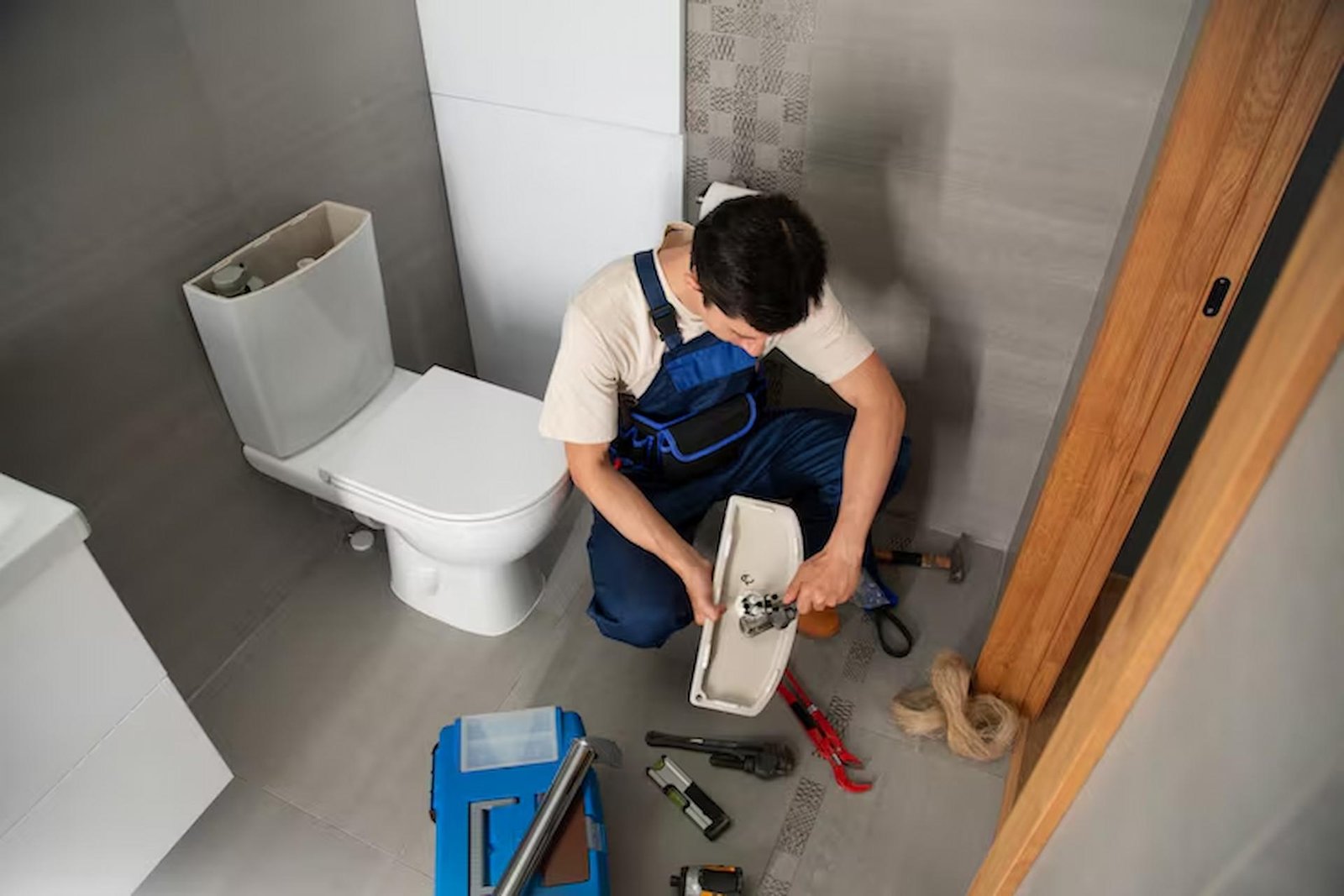
A small toilet problem rarely stays small for long. What starts as a slow leak or a minor clog can quietly escalate into structural damage, rising water bills, or even major plumbing failures. Many homeowners overlook early warning signs, assuming they are harmless inconveniences. In reality, toilets are one of the most frequently used fixtures in any home, and even a minor fault can put continuous strain on your plumbing system.
Understanding which issues need attention—and when to act—can save you from costly repairs and unnecessary stress. Let’s take a closer look at common toilet problems that can quickly turn into bigger plumbing damage if ignored.
Hidden Leaks That Damage Floors and Foundations
One of the most overlooked toilet issues is a hidden leak. These leaks often develop around the base of the toilet or within the tank and can go unnoticed for weeks or even months. Over time, the constant seepage of water can weaken flooring materials, cause tiles to loosen, and even affect the structural integrity of the subfloor.
In more severe cases, water can travel beyond the bathroom, leading to damp patches, mould growth, and unpleasant odors. A simple test—placing tissue around the base or checking for unexplained moisture—can help identify early signs. Addressing leaks promptly prevents long-term structural damage and expensive restoration work.
Constant Running Water and System Strain
A toilet that never stops running might seem like a minor annoyance, but it can significantly strain your plumbing system. This issue is often caused by a faulty flapper valve, float imbalance, or worn-out internal components.
Continuous water flow increases pressure within your pipes and wastes a considerable amount of water daily. Over time, this can lead to higher utility bills and unnecessary wear on your plumbing infrastructure. Fixing the issue early ensures efficiency and reduces the risk of more complex mechanical failures.
Frequent Clogs That Signal Deeper Problems
Occasional clogs are common, but frequent blockages are a clear warning sign of underlying plumbing issues. These may indicate a partial obstruction deeper in the pipes, improper waste disposal habits, or even issues with the sewer line.
Repeated clogs can increase pressure within the system, leading to pipe damage or backups. In such cases, DIY solutions often provide only temporary relief. Persistent problems often fall under toilet repairs that require a plumber, as professional tools and inspection methods are needed to identify and resolve the root cause effectively.
Cracks in the Toilet Bowl or Tank
Hairline cracks in the toilet bowl or tank are easy to miss but can become serious over time. These cracks may slowly leak water or suddenly worsen, leading to unexpected flooding.
Temperature changes, accidental impacts, or aging materials can all contribute to these fractures. Even a small crack can compromise the strength of the fixture, making it unsafe to use. Replacing a damaged toilet early is far more cost-effective than dealing with water damage caused by a sudden break.
Weak Flushing Performance and Pipe Build-Up
A toilet that struggles to flush properly often indicates a deeper issue within the system. Mineral deposits, partial blockages, or outdated components can reduce flushing efficiency.
Weak flushing allows waste to accumulate in pipes, increasing the likelihood of blockages and unpleasant odours. Over time, this build-up can restrict water flow and put additional pressure on your plumbing network. Addressing flushing issues early ensures proper waste removal and keeps your system functioning smoothly.
Wobbly Toilets and Seal Failure
A toilet that moves or feels unstable is more than just uncomfortable—it can signal a failing wax seal or loose mounting bolts. The wax seal is designed to create a watertight connection between the toilet and the drainpipe. When it fails, water can leak out every time the toilet is used.
This can lead to hidden water damage beneath the toilet, rotting the floor and encouraging mould growth. Tightening bolts may offer a temporary fix, but in many cases, the seal needs to be replaced to prevent ongoing damage.
Slow Tank Refilling and Internal Wear
If your toilet tank takes longer than usual to refill, it may indicate worn-out internal components or issues with water supply lines. While this might seem like a minor inconvenience, it can point to inefficiencies that gradually affect overall plumbing performance.
Ignoring this issue can lead to inconsistent water pressure and additional strain on valves and connectors. Regular inspection and timely replacement of worn parts help maintain efficiency and prevent more significant complications.
Conclusion
Toilet problems often start small but can quickly evolve into costly and disruptive plumbing issues if left untreated. From hidden leaks and frequent clogs to structural damage and sewer line concerns, each issue carries the potential for long-term consequences.
Taking a proactive approach is key. Regular inspections, early intervention, and recognizing when to call a professional can protect your home and save you significant expenses over time. By addressing minor faults before they escalate, you ensure your plumbing system remains reliable, efficient, and built to last.