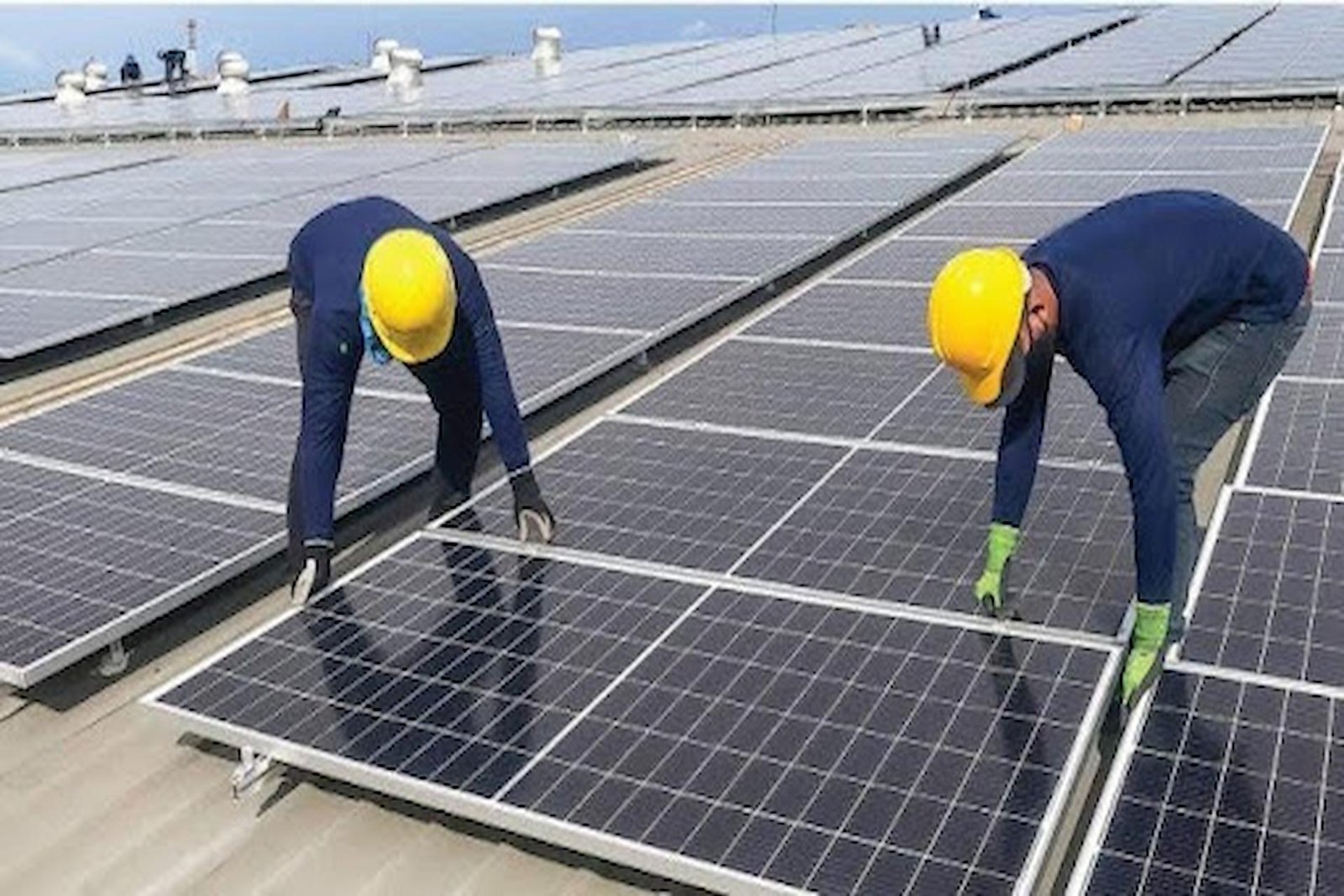
Investing in solar energy is an exciting step toward energy independence and long term savings. As more property owners explore renewable energy options, the demand for solar panel installation continues to grow. While the benefits are clear, the process itself requires careful planning, informed decisions, and attention to detail. Even small mistakes can lead to reduced efficiency, higher costs, or long term maintenance issues.
Understanding the most common pitfalls can help you make smarter choices and get the most value from your investment. Whether you are a homeowner or managing a commercial property, avoiding these errors can ensure a smoother and more successful installation experience.
Overlooking a Detailed Energy Assessment
One of the most frequent mistakes is jumping into a solar panel installation without first evaluating energy needs. Every property has unique consumption patterns based on appliances, usage habits, and seasonal demand.
Skipping this step can result in installing a system that is either too small or unnecessarily large. A system that does not match your energy profile may fail to deliver expected savings or lead to wasted capacity. A proper assessment considers current usage, future changes, and efficiency improvements that can reduce demand before installation.
Working with a knowledgeable provider, such as a trusted solar company in Phoenix, AZ, can help ensure accurate calculations and a system designed to meet your specific needs.
Ignoring Roof Condition and Orientation
The condition and positioning of your roof play a critical role in system performance. Installing panels on a roof that needs repair can lead to additional costs later when panels must be removed and reinstalled.
Orientation is equally important. Panels should ideally face a direction that maximizes sun exposure throughout the day. In many cases, south facing roofs are preferred, but shading and local conditions must also be considered.
Failing to evaluate these factors can significantly reduce efficiency. A professional inspection before installation can identify structural issues, shading concerns, and optimal placement for maximum energy production.
Choosing the Cheapest Option Without Research
Cost is always a factor, but selecting the lowest priced option without understanding quality differences can lead to problems. Not all equipment and installation practices are equal.
Lower cost components may have shorter lifespans or reduced efficiency. Inexperienced installers may cut corners, resulting in poor wiring, improper mounting, or safety risks.
Instead of focusing solely on price, evaluate overall value. Consider warranties, certifications, and the track record of the provider. A reputable solar company in Phoenix, AZ will prioritize quality and long term performance rather than offering the lowest upfront cost.
Failing to Understand Local Regulations and Permits
Solar projects must comply with local building codes, zoning laws, and utility requirements. Ignoring these regulations can delay your project or result in fines.
Each region has its own rules regarding permits, inspections, and grid connections. Navigating this process can be complex, especially for those unfamiliar with local guidelines.
Working with professionals who understand these requirements can streamline the process and prevent costly delays. Proper documentation ensures that your system operates legally and qualifies for any available incentives.
Underestimating the Importance of Proper Installation
Even high quality panels can perform poorly if installed incorrectly. Improper alignment, loose connections, or inadequate mounting can compromise system efficiency and safety.
Installation is not just about placing panels on a roof. It involves precise measurements, secure attachment, proper electrical connections, and compliance with safety standards.
Choosing experienced installers ensures that every aspect of the system is handled correctly. This reduces the risk of future issues and maximizes energy output from your solar panel installation.
Neglecting Battery Storage Considerations
Many property owners focus solely on generating energy but overlook storage options. While not every system requires batteries, understanding their role is important.
Battery storage allows you to store excess energy for use during peak hours or power outages. Without storage, surplus energy is often sent back to the grid, which may not provide the same financial benefits in all cases.
Evaluating whether battery integration fits your goals can enhance system flexibility and resilience. Discussing these options early in the planning process ensures a more comprehensive solution.
Improper System Sizing
Sizing errors are among the most common challenges in solar projects. Installing too few panels can leave you dependent on traditional energy sources, while too many can increase costs without proportional benefits.
Accurate sizing depends on energy usage, available space, and efficiency goals. It also requires consideration of future needs, such as electric vehicle charging or home expansions.
A professional approach ensures that your system is balanced and capable of meeting both current and anticipated demands.
Ignoring Maintenance Requirements
Solar systems are often marketed as low maintenance, but that does not mean maintenance free. Dust, debris, and weather conditions can affect performance over time.
Failing to plan for routine cleaning and inspections can reduce efficiency and shorten system lifespan. Regular maintenance ensures that panels operate at peak performance and helps identify minor issues before they become major problems.
Establishing a maintenance schedule as part of your solar panel installation plan can protect your investment and maintain consistent energy production.
Not Comparing Multiple Quotes
Relying on a single quote limits your ability to make informed decisions. Different providers may offer varying pricing, equipment, and service levels.
Comparing multiple proposals allows you to evaluate options and understand what is included in each package. It also helps identify any hidden costs or differences in warranty coverage.
A transparent and detailed quote should outline all aspects of the project, from equipment specifications to installation timelines. Taking the time to compare ensures that you select the best fit for your needs.
Overlooking Incentives and Financial Options
Many regions offer incentives, tax credits, or financing options to support solar adoption. Failing to explore these opportunities can result in higher upfront costs.
Understanding available programs can significantly reduce the overall investment and improve return on investment. These incentives may vary based on location, system size, and eligibility criteria.
Consulting with experts who are familiar with local programs ensures that you take full advantage of available benefits.
Poor Communication with Installers
Clear communication is essential throughout the installation process. Misunderstandings about timelines, expectations, or system specifications can lead to delays and dissatisfaction.
Establishing open communication with your installer ensures that you stay informed at every stage. This includes planning, permitting, installation, and post installation support.
A reliable solar company in Phoenix, AZ, will prioritize transparency and provide regular updates to keep the project on track.
Ignoring Future Scalability
Energy needs can change over time. Planning a system without considering future expansion can limit flexibility.
For example, adding new appliances, upgrading to electric vehicles, or expanding living space may increase energy demand. Designing a system with scalability in mind allows for easier upgrades later.
Discussing potential future needs during the planning phase ensures that your system can adapt as requirements evolve.
Focusing Only on Aesthetics
While appearance is important, prioritizing aesthetics over performance can lead to suboptimal results. Panels should be placed for maximum efficiency rather than purely for visual appeal.
Balancing design and functionality is key. A well planned system can achieve both without compromising energy output.
Professional guidance helps ensure that your installation meets both visual and performance expectations.
Skipping a Professional Consultation
Some property owners attempt to manage the process without expert input. While research is valuable, professional guidance is essential for a successful project.
Experts bring knowledge of design, installation, and local requirements that can prevent costly mistakes. They can also provide insights into system optimization and long term performance.
Partnering with an experienced team ensures that every aspect of your solar panel installation is handled with care and precision.
Solar energy offers significant benefits, from reducing utility costs to supporting environmental sustainability. However, achieving these benefits requires careful planning and informed decision making.
By avoiding common mistakes such as poor system sizing, neglecting maintenance, and overlooking professional guidance, you can ensure a successful installation experience. Taking the time to research, compare options, and work with a trusted solar company in Phoenix, AZ can make a substantial difference in both performance and long term value.
A thoughtful approach not only protects your investment but also maximizes the return you receive from your solar energy system. With the right strategy in place, your transition to solar power can be smooth, efficient, and rewarding.