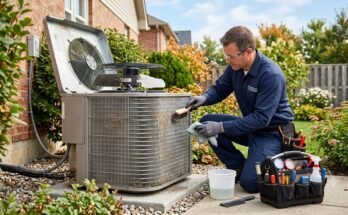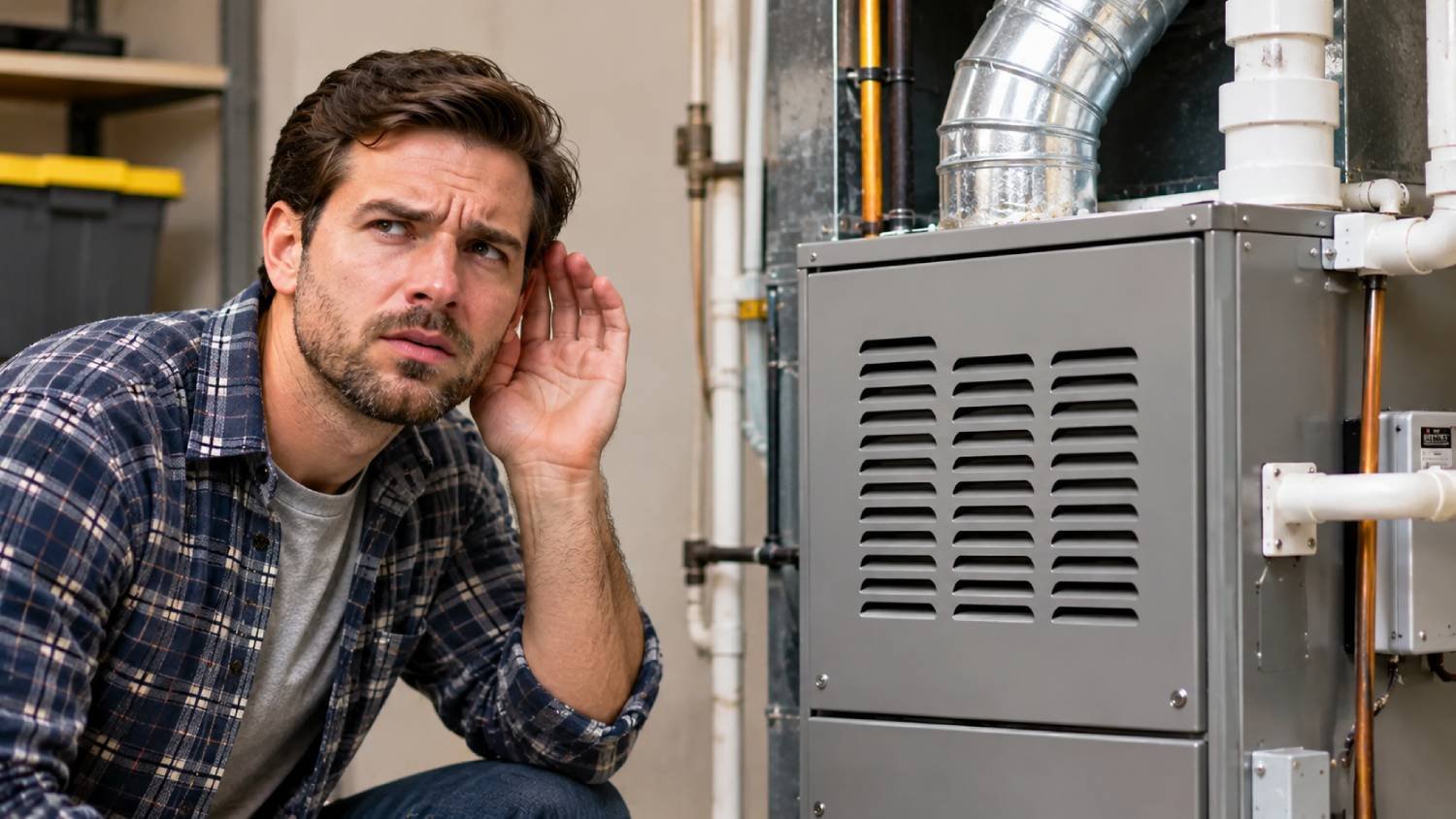
A heating system usually produces a steady, familiar sound while running. However, new noises such as banging, rattling, whistling, or grinding may indicate a problem that needs attention. Identifying the source early can help homeowners address minor issues before they lead to more serious equipment damage.
Understanding these sounds can help you decide when a simple check is appropriate and when professional heating repair in Houston, TX may be necessary. The right response depends on the type of heating system, the noise it makes, and whether other warning signs appear.
Common Heating System Noises and Their Causes
Different sounds can point to different issues. Although a noise alone cannot confirm a fault, recognising its characteristics can help narrow down possible causes.
Banging or Popping
Banging or popping sounds may occur when metal ductwork expands or contracts as temperatures change. This can happen as heated air moves through ducts and the metal responds to temperature changes.
Loud or repeated banging, particularly from a furnace, may indicate a loose component, an ignition problem, or another mechanical fault. If the sound is sudden, persistent, or accompanied by unusual operation, arrange a professional inspection rather than attempting internal repairs.
Rattling or Vibrating
Rattling may result from loose access panels, unsecured ductwork, or objects vibrating near the heating unit. In some cases, worn internal components can also create this sound.
If the system is operating normally and the noise appears to come from an external panel, switch the system off before checking whether the panel is visibly loose. Do not remove internal covers or reach into the equipment. Persistent rattling should be assessed by a qualified technician.
Whistling or Hissing
Whistling often points to restricted airflow. A dirty air filter, blocked return vent, or other airflow obstruction may force air through a narrower opening, creating a high-pitched sound.
Hissing can have other causes, including air escaping from ductwork. If you hear hissing near a gas furnace and suspect a gas leak, leave the building without operating electrical switches or using flames, then contact your gas utility or emergency services from a safe location.
Grinding or Squealing
Grinding can indicate worn bearings or a problem with a motor or blower assembly. Squealing may also result from a worn component or a motor struggling to operate properly.
These noises should not be ignored, especially if they become louder or the system’s airflow decreases. Turn off the equipment if it is safe to do so and arrange a professional inspection.
Clicking Sounds
A brief click when a heating system starts or stops can be normal. Thermostats and electrical controls may produce clicking sounds during ordinary operation.
Repeated clicking without successful ignition, however, may indicate a control, ignition, or electrical problem. If the system repeatedly attempts to start without producing heat, avoid repeatedly resetting it and seek professional assistance.
How Airflow and Maintenance Affect Heating Noise
Airflow problems are a common reason a heating system becomes noisier than usual. When filters become clogged, air has greater difficulty passing through the system. This can affect comfort, increase operating strain, and sometimes contribute to whistling or unusual airflow sounds.
Blocked supply or return vents can create similar problems. Furniture, curtains, and other household items should not obstruct vents. Keeping these areas clear allows air to circulate as intended.
Routine maintenance also helps identify loose components, worn parts, dirty equipment, and other developing issues. Furnaces, heat pumps, and ductless mini-split systems have different components and maintenance needs, so follow the manufacturer’s recommendations for your particular system.
If strange noises continue despite basic airflow checks, professional heating repair can help identify the underlying cause. A technician can inspect the equipment, test its operation, and determine whether a component needs adjustment, repair, or replacement.
What Homeowners Can Safely Check
Before arranging service, homeowners can perform a few simple checks without opening the equipment or handling electrical or gas components.
- Check the air filter: If it looks dirty, replace it according to the manufacturer’s instructions and the filter’s requirements.
- Inspect the vents: Make sure supply and return vents are not blocked by furniture, rugs, or other objects.
- Review the thermostat: Confirm that the settings are appropriate and that the system is not being switched on and off unnecessarily.
- Listen for patterns: Note when the noise occurs, such as during startup, continuous operation, or shutdown. This information can help a technician investigate the problem.
- Check visible panels: If the equipment is switched off, look for an obviously loose external panel without opening the unit or touching internal components.
If a noise persists, avoid dismantling the heating system or attempting electrical, gas, or motor repairs yourself. These tasks require appropriate training and equipment.
When to Call a Heating Professional
Some heating noises require prompt attention because they may indicate a safety issue or a developing mechanical fault. Contact a qualified HVAC technician if you hear persistent grinding, loud banging, repeated ignition clicks, or unusual sounds accompanied by poor heating or reduced airflow.
Stop using the system if you notice smoke, burning smells, or signs of overheating. If you suspect a gas leak, leave immediately and contact the appropriate emergency service or gas utility from a safe location. Never try to locate or repair a suspected leak yourself.
For homeowners, timely heating repair in Houston, TX can help identify problems affecting furnaces, heat pumps, and other heating equipment. A professional inspection is particularly useful when the cause is unclear, the noise returns after basic checks, or the system is no longer heating consistently.
FAQs About Heating Systems
Q.1 What noises from a heating system are normal?
A steady operating hum, brief startup clicks, and occasional light duct expansion sounds may be normal. New, loud, persistent, or worsening noises deserve attention.
Q.2 Why does my heater make a banging noise when it starts?
Banging may come from expanding ductwork, loose components, or an ignition issue. If it is loud or repeated, have the system inspected rather than assuming it is harmless.
Q.3 Can a dirty air filter cause heating system noises?
Yes. A clogged filter can restrict airflow and contribute to whistling or other unusual sounds. Replacing it according to the manufacturer’s instructions may help if restricted airflow is the cause.
Q.4 Should I turn off my heater if it starts grinding?
Yes, turning it off is a sensible precaution when grinding suggests a possible motor or mechanical problem. Arrange professional service before restarting it if the noise is persistent or severe.
Q.5 How can regular maintenance help prevent heating noises?
Maintenance can identify loose components, airflow restrictions, worn parts, and other developing issues. Following the manufacturer’s maintenance schedule helps keep the system operating as intended.
The Bottom Line
Strange heating noises can result from airflow restrictions, expanding ductwork, loose parts, or mechanical faults. Check accessible items such as filters and vents, but avoid opening equipment or attempting internal repairs.
If noises persist, heating performance declines, or safety concerns arise, switch off the system when appropriate and contact a qualified professional. Addressing unusual sounds early can help protect your equipment and maintain reliable home comfort.