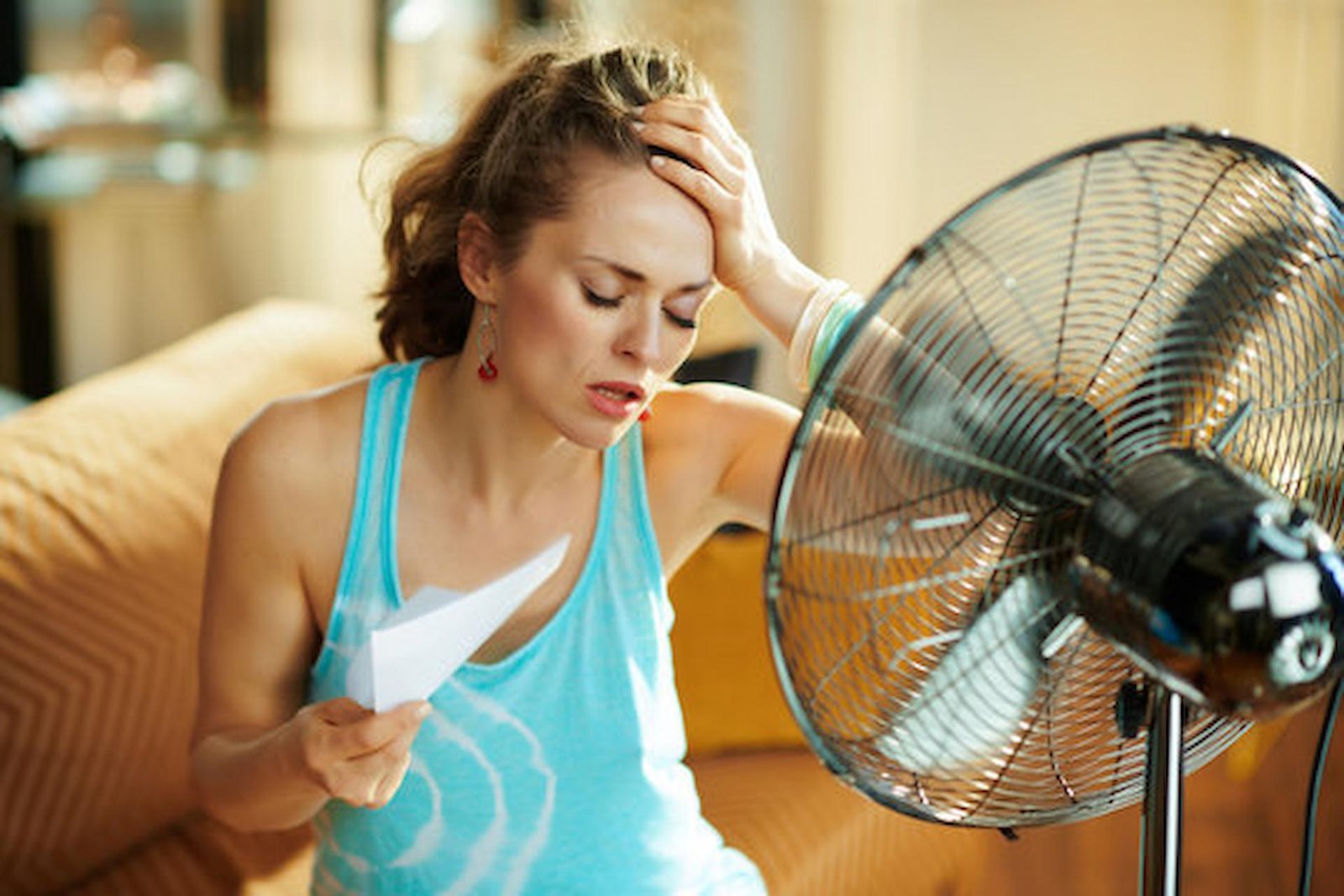
There are few household problems more frustrating than an air conditioner that appears to be running but fails to keep your home cool. You hear the system operating, air is moving through the vents, and the thermostat is set correctly, yet indoor temperatures continue to climb. For many homeowners, this situation can quickly turn a comfortable summer day into an uncomfortable experience.
One issue that frequently causes this confusion is when the outside AC unit fan not running but inside is. In this situation, the indoor blower may continue circulating air throughout the house, creating the impression that the system is working normally. However, because the outdoor unit plays a crucial role in releasing heat, a non-functioning fan can significantly reduce the system’s ability to cool the home effectively, leaving homeowners wondering why their air conditioner is running but not delivering the comfort they expect.
How an Air Conditioning System Cools Your Home
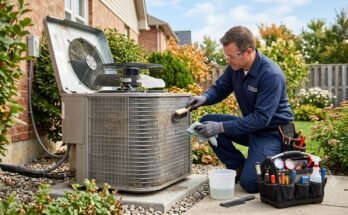
To understand why an outdoor fan problem can create cooling issues, it helps to know how an air conditioning system operates. The indoor unit absorbs heat from inside the home, while the outdoor unit releases that heat into the surrounding air. The fan located in the outdoor condenser unit plays a critical role in this process by helping move heat away from the system.
When everything functions correctly, heat is continuously transferred outdoors, allowing cool air to circulate throughout the home. However, if the outdoor fan stops working, the system may struggle to release heat effectively. As a result, indoor temperatures can rise even though parts of the system appear to be operating normally.
Why the Outdoor Fan Matters
The outdoor fan is designed to pull air through the condenser coils and help dissipate heat. Without adequate airflow, the condenser cannot perform its job efficiently. This can create excessive heat buildup within the system and reduce overall cooling performance.
Homeowners may initially notice that the air conditioner runs longer than usual or that indoor temperatures remain higher than the thermostat setting. In some cases, the system may continue running without providing sufficient cooling, causing discomfort and increased energy consumption.
Because the outdoor fan is such an important component, any issue affecting its operation should be addressed promptly to avoid additional strain on the system.
Common Causes of Outdoor Fan Problems
Several issues can prevent an outdoor fan from operating properly. Some are relatively minor, while others may require professional diagnosis and repair.
Electrical problems are among the most common causes. Faulty capacitors, damaged wiring, or failed contactors can interfere with the power supply needed to start or run the fan motor. Since air conditioning systems rely heavily on electrical components, even a small malfunction can disrupt performance.
Motor-related issues can also develop over time. Like any mechanical component, fan motors experience wear and tear. Age, overheating, or excessive strain can eventually cause the motor to fail or operate inconsistently.
Debris and environmental factors may also contribute to problems. Leaves, dirt, and other outdoor debris can accumulate around the condenser unit and restrict airflow. In some cases, physical obstructions may even interfere with fan movement.
Signs That Something Is Wrong
Cooling problems rarely appear without warning. In many cases, homeowners notice subtle signs before the issue becomes severe. Paying attention to these symptoms can help identify potential problems early.
Some of the most common warning signs include:
- Warm air coming from vents despite the system running
- Higher indoor temperatures than normal
- Longer cooling cycles
- Unusual noises from the outdoor unit
- Increased energy bills
- Frequent system shutdowns
- Reduced airflow throughout the home
These symptoms do not always indicate an outdoor fan issue specifically, but they often signal that the system is struggling to cool efficiently and should be inspected.
The Impact on Energy Efficiency
When an air conditioner cannot remove heat effectively, it often compensates by running longer. Extended operating times can significantly increase energy consumption and place additional strain on system components.
Many homeowners first notice the problem through rising utility bills. Even if the system continues to operate, reduced efficiency means it must work harder to achieve the same cooling results. Over time, this unnecessary strain can contribute to additional wear on other parts of the HVAC system.
Addressing cooling issues quickly can help restore efficiency and prevent avoidable increases in energy costs.
Potential Risks of Ignoring the Problem
Some homeowners delay service calls because the air conditioner is still partially functioning. However, ignoring an outdoor fan issue can lead to more serious consequences.
When heat cannot be released properly, the compressor may be forced to operate under stressful conditions. Since the compressor is one of the most important and expensive components in an air conditioning system, protecting it should be a priority.
Prolonged operation under these conditions can increase the risk of component failure and potentially lead to more extensive repairs. What begins as a relatively simple issue may eventually affect multiple parts of the system if left unresolved.
When Professional Help Is Needed
While homeowners can perform basic maintenance tasks such as changing air filters and clearing debris around the outdoor unit, diagnosing fan-related problems often requires professional expertise.
HVAC technicians have the tools and training necessary to inspect electrical systems, test capacitors, evaluate motor performance, and identify the root cause of cooling issues. A professional assessment can help ensure that repairs are completed safely and accurately.
Attempting complex electrical or mechanical repairs without proper knowledge can create safety risks and may worsen the problem.
Preventing Future Cooling Problems
Routine maintenance remains one of the most effective ways to reduce the likelihood of unexpected cooling issues. Regular inspections allow technicians to identify worn components, clean critical system parts, and address minor concerns before they escalate.
Seasonal maintenance can also help improve overall system efficiency, extend equipment life, and support consistent indoor comfort throughout the year. By keeping both indoor and outdoor components in good condition, homeowners can reduce the risk of sudden breakdowns during periods of heavy use.
Looking Ahead
An air conditioner that runs without effectively cooling the home can quickly become a source of frustration, especially during the hottest months of the year. Problems involving the outdoor fan often disrupt the system’s ability to remove heat, leading to poor cooling performance, higher energy bills, and increased wear on critical components.
Recognizing the warning signs and addressing issues early can help prevent more serious damage while restoring comfort and efficiency. With proper maintenance and timely repairs, homeowners can keep their air conditioning systems operating reliably and enjoy a cooler, more comfortable home when they need it most.