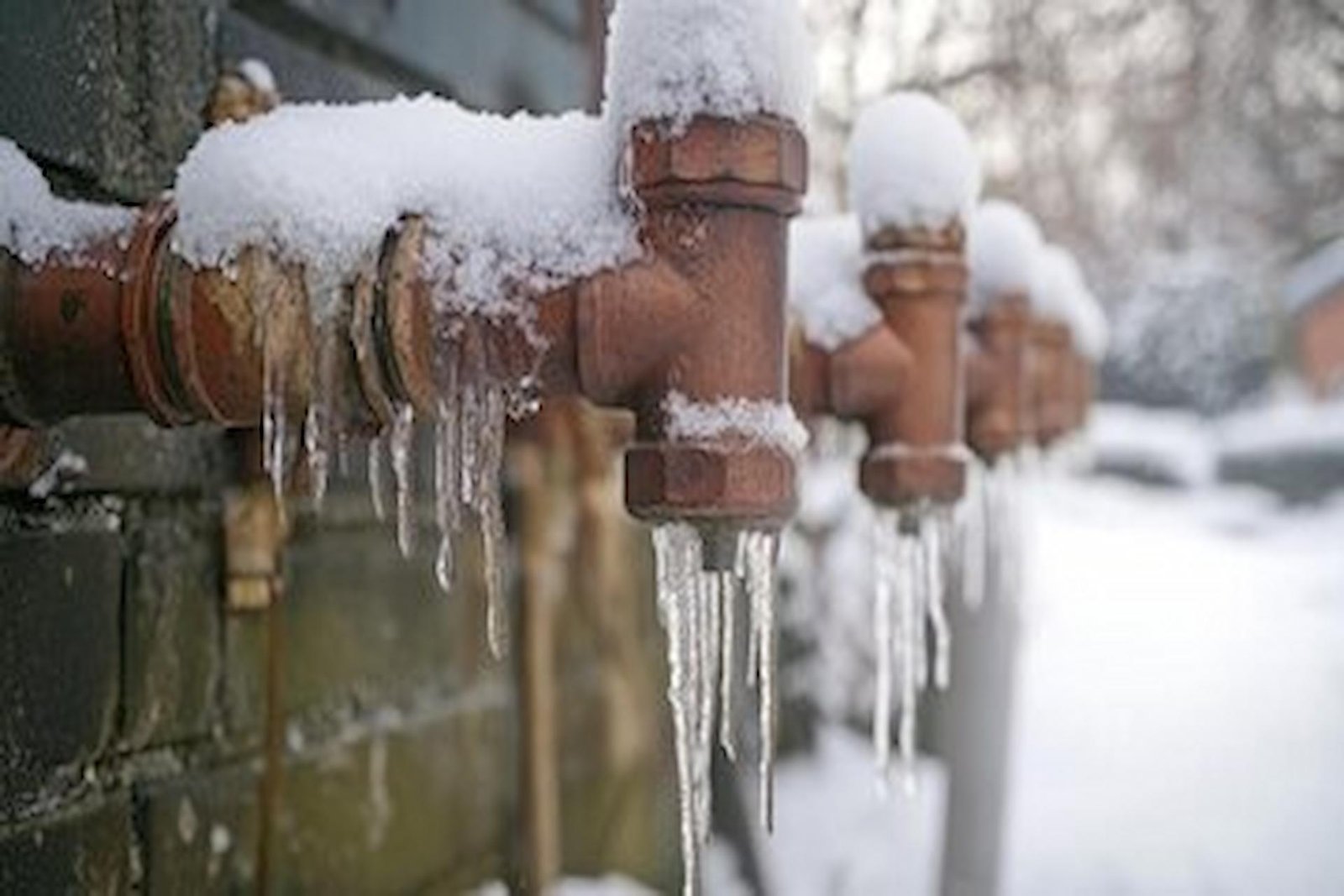
Winter in Bend, Oregon, brings extended periods of freezing temperatures that can place serious stress on residential plumbing systems. When water inside pipes is exposed to extreme cold, it can freeze, expand, and create pressure that leads to cracks or full pipe bursts. This is one of the most expensive and disruptive household problems during colder months, yet it is also one of the most preventable.
Many homeowners only think about plumbing once an issue appears, but frozen pipes often begin forming silently behind walls, under floors, or in poorly insulated areas. Prevention requires awareness, preparation, and consistent home care practices.
Understanding how to protect your plumbing system is essential for maintaining comfort, avoiding water damage, and ensuring an uninterrupted water supply throughout winter in Bend, Oregon.
Understanding Why Pipes Freeze in Bend, Oregon Homes
Bend, Oregon, experiences cold winters with temperatures that can remain below freezing for extended periods. These conditions create a high risk environment for residential plumbing systems, especially in homes with exposed or poorly insulated pipes.
Pipes located in garages, attics, crawl spaces, and exterior walls are particularly vulnerable because they are less protected from outdoor air. When cold air surrounds these pipes, the water inside begins to slow down and eventually freezes.
Another contributing factor is inconsistent heating inside the home. When indoor temperatures drop too much, even interior pipes can become at risk. This is why maintaining stable indoor warmth is one of the most important protective measures.
Home design also plays a role. Older homes or homes with limited insulation often experience more frequent freezing issues compared to modern well insulated structures.
Insulating Pipes for Maximum Protection
Proper insulation is one of the most effective ways to prevent frozen pipes. Insulation helps slow down heat loss and keeps water inside pipes at a stable temperature, even during extreme cold.
Foam pipe covers are commonly used to wrap exposed plumbing lines. These materials help create a barrier between the pipe and cold air. Areas that require attention include basements, garages, and any pipes running along exterior walls.
Sealing gaps in walls, floors, and ceilings also helps reduce cold air entry. Even small openings can allow enough cold air to affect nearby plumbing lines. Using proper sealing materials improves overall home warmth and pipe safety.
In addition, improving overall home insulation supports pipe protection indirectly. When a home retains heat more effectively, plumbing systems remain safer throughout winter.
Protecting Outdoor Plumbing Fixtures
Outdoor plumbing components are highly exposed to freezing temperatures and require special attention before winter begins. Garden hoses, outdoor faucets, and irrigation systems are common sources of frozen pipe damage.
All hoses should be disconnected and drained completely. Any water left inside can freeze and expand, damaging both the hose and connected pipe.
Outdoor faucets should be covered with insulated protective covers. These covers help reduce exposure to freezing air and maintain residual warmth from the home structure.
Irrigation systems should also be shut down and drained before winter arrives. Failure to do so can lead to underground pipe damage that is difficult and expensive to repair.
Maintaining Stable Indoor Temperatures
Consistent indoor heating is one of the simplest and most effective methods of preventing frozen pipes. Sudden temperature drops inside the home increase the risk of freezing, especially during nighttime or when the home is unoccupied.
Keeping the heating system running at a steady level ensures that pipes remain warm enough to avoid freezing. Even when homeowners leave for short trips, it is important not to shut off the heating completely.
Opening cabinet doors under sinks allows warm air to circulate around plumbing lines. This is especially helpful for sinks located along exterior walls where pipes are more exposed to cold air.
Allowing a slow drip of water from faucets during extreme cold periods can also help prevent freezing. Moving water is less likely to freeze compared to stagnant water inside pipes.
Identifying High Risk Areas Inside the Home
Certain areas in a home are more prone to frozen pipes than others. Identifying these locations helps homeowners focus their prevention efforts more effectively.
Attics and crawl spaces often lack proper insulation, making them common problem areas. Garages are another high risk location because they are not always heated.
Exterior walls are also a concern since pipes running through them are closer to outdoor temperatures. Any plumbing line that shares space with a cold surface should be carefully monitored.
Homeowners should regularly inspect these areas during winter to ensure no early signs of freezing are present.
Early Warning Signs of Frozen Pipes
Frozen pipes usually provide warning signs before a complete blockage or burst occurs. Recognizing these signs early can help prevent serious damage.
Reduced water flow from faucets is often one of the first indicators. If water pressure suddenly drops, it may signal that ice is forming inside the pipe.
Unusual sounds when turning on taps can also indicate freezing. These sounds occur when water struggles to move through partially blocked pipes.
Visible frost on exposed pipes is a clear warning sign that temperatures have dropped too low in that area.
If any of these signs appear, immediate action is necessary to prevent further damage.
Safe Steps When Pipes Begin to Freeze
When a pipe begins to freeze, it is important to act carefully. Applying gentle heat to the affected area can help restore normal water flow.
Warm air from a safe heating source can be directed toward the pipe. It is important to avoid sudden or extreme heat, as this can cause the pipe to crack due to rapid expansion.
Opening nearby faucets slightly can help relieve pressure as the ice begins to melt. This reduces the chance of pipe rupture.
If the situation does not improve quickly, professional assistance may be required to prevent further complications.
When Professional Help Becomes Necessary
While many preventive steps can be handled by homeowners, some situations require expert support. Severe freezing, repeated pipe issues, or hidden plumbing damage should always be evaluated by professionals.
Experienced plumbers in Bend, Oregon, can inspect plumbing systems, identify weak points, and recommend effective solutions to prevent future freezing problems. Their knowledge of local winter conditions helps them provide targeted guidance for regional homes.
In some cases, frozen pipe issues are linked to drainage problems that increase pressure within plumbing systems. Blocked drains can worsen freezing risks and create additional stress on pipes.
In such situations, a plumber drain cleaning in Bend, Oregon service can help ensure that drainage systems remain clear and fully functional throughout the winter season.
Professional inspection not only resolves immediate concerns but also helps prevent future emergencies by strengthening the overall plumbing system.
Long Term Home Protection Strategies
Preventing frozen pipes is most effective when it becomes part of regular home maintenance. Seasonal inspections help identify insulation gaps, weak pipe areas, and potential cold air entry points.
Improving overall energy efficiency in the home also contributes to plumbing protection. A well heated and well sealed home naturally reduces the risk of freezing conditions affecting pipes.
Upgrading older plumbing systems can also provide added security. Newer materials and improved installation methods help reduce vulnerability during extreme cold weather.
Homeowners who consistently prepare for winter conditions experience fewer plumbing emergencies and lower repair costs over time.
Frozen pipes are a serious but preventable issue for homes in Bend, Oregon. With proper insulation, consistent heating, and awareness of vulnerable areas, homeowners can significantly reduce the risk of winter plumbing damage.
Recognizing early warning signs and responding quickly can prevent costly repairs and water damage. Outdoor plumbing protection, indoor temperature management, and regular inspections all play a key role in maintaining a safe plumbing system.
When needed, professional support ensures that both pipes and drainage systems remain in optimal condition throughout winter. By taking proactive steps and maintaining awareness, homeowners can protect their property and enjoy a safer, more comfortable winter season.