Unlike standard air conditioners that sit idle during cooler months, a heat pump works continuously throughout the year. It cools your living space during scorching summers and shifts gears to provide warmth when temperatures drop. Because these systems operate nearly non-stop, regular care is crucial to prevent unexpected breakdowns and keep energy bills manageable.
Proper maintenance prolongs system life and ensures consistent home comfort. Many homeowners rely on heat pump services for Florida homes to keep their units running at peak efficiency year after year. By adopting a few simple habits, you can safeguard your equipment against premature wear. Routine maintenance ensures that technical components, such as refrigerant lines and electrical connections, remain in optimal condition.
Essential Routine Tasks for Homeowners
While complex technical adjustments require a qualified technician, several basic maintenance steps can be easily managed at home. Taking a proactive approach prevents minor issues from escalating into costly repairs, and utilizing professional heat pump services for Florida homes ensures your unit remains balanced for local climate demands.
Clogged air filters restrict vital airflow, forcing the compressor to work much harder than necessary. Swap pleated filters every two to three months—or sooner if you have pets—to maintain indoor air quality and protect system efficiency.
What to Expect During Professional Maintenance
A DIY routine goes a long way, but annual professional tune-ups are non-negotiable for long-term system health. Certified HVAC technicians possess the specialized tools required to inspect internal components safely and accurately.
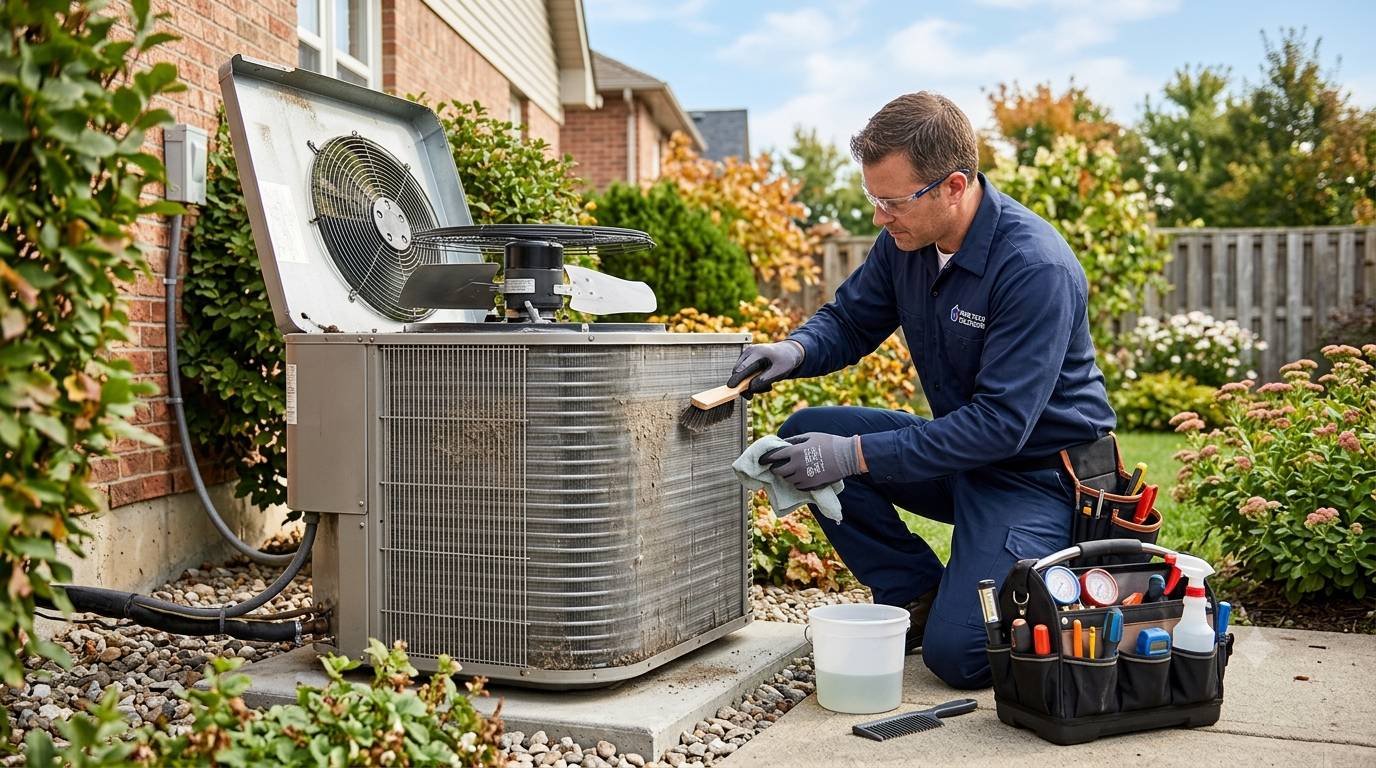
During a visit, technicians test refrigerant levels, tighten electrical terminals, and flush condensate drain lines. Cleaning dirt buildup off the indoor and outdoor coils restores maximum heat exchange capability.
Maximising Efficiency and Lowering Energy Bills
Maintaining consistent airflow and smart thermostat settings keeps operating costs down throughout demanding seasons. Simple adjustments can noticeably reduce monthly electricity consumption without sacrificing indoor comfort.
- Set programmed temperatures to avoid drastic manual changes that strain the system.
- Clear furniture and drapes away from supply vents to encourage even air circulation.
- Clean outdoor condenser coils annually to ensure unobstructed heat exchange.
Understanding how your heat pump manages temperature shifts helps you optimise its daily operation. Keeping the system free from unnecessary strain extends component lifespans while keeping power bills under control.
Seasonal Care for Humidity and Temperature Shifts
Drastic humidity levels and seasonal changes present unique challenges for heat pumps operating in coastal environments. Preparing your system before major weather transitions protects delicate components from environmental wear.
- Flush condensate drain lines regularly to prevent mold growth and water damage.
- Inspect outdoor cabinet panels for rust, debris, or saltwater corrosion.
- Schedule bi-annual checkups to transition smoothly between cooling and heating modes.
Proactive seasonal care prevents sudden system failures during peak summer heat or sudden winter cold snaps. Addressing climate-related wear early ensures seamless performance no matter the season.
Early Warning Signs That Demand Immediate Attention
Even well-maintained systems can experience occasional failures. Catching subtle warning signs early prevents emergency breakdowns during extreme weather.
Grinding or squealing noises often indicate failing motor bearings, while frost accumulation signals severe airflow restrictions or refrigerant leaks. Unexplained spikes in monthly energy bills or constant, non-stop operation also demand swift professional evaluation.
Conclusion
A heat pump represents a significant investment in year-round home comfort. Keeping up with simple DIY care—such as changing filters and clearing outdoor foliage—helps maintain smooth operation day to day.
Combining these basic habits with routine professional tune-ups ensures optimal energy efficiency, prevents unexpected equipment failure, and extends the overall operational lifespan of your system.