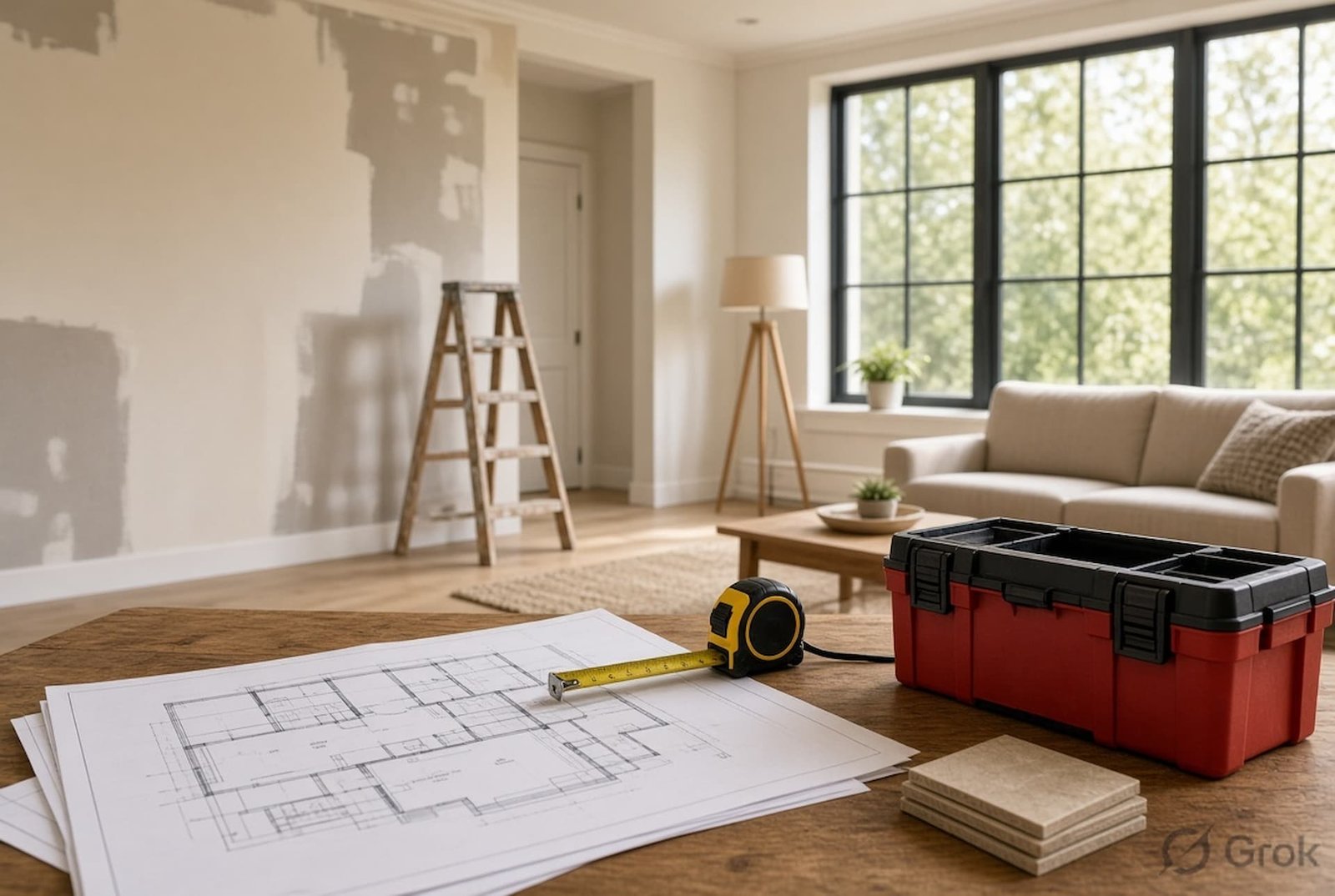
Starting a home improvement project feels exciting. You picture the finished space, the better flow, the higher value. Yet many projects go sideways before the first hammer swings. The good news? Most costly errors happen in the planning stage, and you can sidestep them with a few clear steps.
This guide walks through the most common home improvement mistakes people make before they begin. Avoid these, and you protect your budget, timeline, and peace of mind.
Skipping a Realistic Budget
The biggest trap is underestimating costs. Materials, labor, permits, and unexpected fixes add up fast. Many homeowners set a number that only covers the ideal scenario. Then a surprise electrical issue or higher material prices force tough choices mid-project.
Build your budget with a 15 to 20 percent cushion. Get written estimates from at least three contractors. Research average prices in your area so you know when a quote looks too good to be true. A solid budget keeps the project on track and reduces stress when small problems appear. For more ways to manage renovation costs, careful research helps.
Ignoring Local Permits and Codes
Some projects need official approval. Electrical work, structural changes, plumbing updates, and many exterior improvements fall under local building codes. Skipping permits can lead to fines, forced tear-outs, or trouble when you sell the house later.
Call your local building department early. Ask what your specific project requires. Factor the time and fees into your schedule. Doing it right the first time saves far more money and headaches than fixing violations later.
Choosing the Wrong Contractor
Not every contractor is the right fit. Some lack proper licenses or insurance. Others take on more work than they can handle. Rushing this decision is one of the fastest ways to turn a dream project into a nightmare.
Check licenses, insurance, and recent references. Look at past work that matches your project type. Get everything in writing, including timeline, payment schedule, and change-order process. A careful selection process protects your home and your investment.
Failing to Plan for Daily Life Disruption
Renovations disrupt routines. Dust, noise, limited kitchen or bathroom access, and strangers in your space affect the whole household. Many people overlook this until the chaos hits.
Decide in advance where you will cook, sleep, and work if key rooms go offline. Create a temporary living plan. Protect furniture and floors. Clear the work area so the crew can move efficiently. A little preparation keeps family life manageable.
Overlooking Structural and Hidden Issues
What you see on the surface is rarely the full story. Older homes often hide outdated wiring, plumbing problems, or foundation concerns. Jumping into cosmetic updates without checking these can waste money or create new hazards.
Schedule a thorough inspection before finalizing plans. Address major systems first. Fixing the bones of the house before finishing the surface makes the entire project stronger and more valuable. Proper steps toward protecting property start here.
Letting Trends Override Function
It is easy to fall in love with the latest design trend. Open-concept everything, ultra-modern fixtures, or bold color schemes look great in photos. But they may not suit how you actually live or the resale market in your neighborhood.
Focus on improvements that improve daily life and hold value. Kitchens and bathrooms usually deliver the strongest returns. Keep personal style in secondary spaces. Balance what you love with what makes practical sense for the long term. Simple choices like updated bathroom style can make a big difference without overspending.
Underestimating Material Lead Times
Supply chain delays still affect many building materials. Custom cabinets, specialty flooring, and certain appliances can take weeks or months. Starting demolition before everything is ordered and confirmed is a classic error.
Order key materials early. Confirm delivery dates in writing. Build a realistic schedule that accounts for possible delays. Having materials on site when the crew is ready keeps momentum going.
Skipping the Contingency Plan
Even the best plans hit snags. Weather, hidden damage, or a contractor delay can shift the timeline. Without a backup approach, small issues snowball into major frustration.
Identify the risks most likely for your project. Decide in advance how you will handle cost overruns or schedule slips. Keep communication open with your contractor so adjustments happen quickly and clearly.
Taking these steps before you start turns a stressful process into a manageable one. You gain control over costs, quality, and the final result. Careful preparation is the real foundation of successful home improvement.
FAQ
What is the most expensive home improvement mistake?
Underestimating the full budget and skipping the contingency fund often leads to the highest extra costs.
Do I always need permits for home improvements?
Many structural, electrical, and plumbing projects require them. Always check with your local building department first.
How many contractor quotes should I get?
Aim for at least three detailed written estimates so you can compare scope, price, and timeline fairly.
Should I renovate for trends or long-term value?
Prioritize function and strong resale value in main living areas. Save highly personal style choices for secondary spaces.
Conclusion
Avoiding common home improvement mistakes begins long before the work starts. A realistic budget, proper permits, the right contractor, and honest planning for disruption set you up for success. Check hidden issues, balance style with function, order materials early, and keep a contingency ready. These simple moves protect your time, money, and the finished space you actually want to live in. Take the time to plan well, and your project will feel far more rewarding from start to finish.